

Blog
Home » Uncategorized »

Key Factors to Consider Before Purchasing HVAC Products
Purchasing HVAC products requires technical evaluation, cost analysis, and long-term planning. Whether the requirement is residential, commercial, or industrial, selecting the correct system ensures operational efficiency, durability, and controlled energy consumption. A structured approach before procurement prevents performance issues and unnecessary expenses.
1. Cooling Load Calculation
The first and most important factor is calculating the cooling load. This includes:
Total area (square footage)
Ceiling height
Heat exposure (sun-facing walls, glass areas)
Number of occupants
Electrical equipment heat load
Ventilation requirements
Incorrect capacity selection can lead to inefficient cooling, higher electricity usage, and compressor stress. Proper load calculation ensures balanced performance and system longevity.
2. Type of HVAC System
Different applications require different system types:
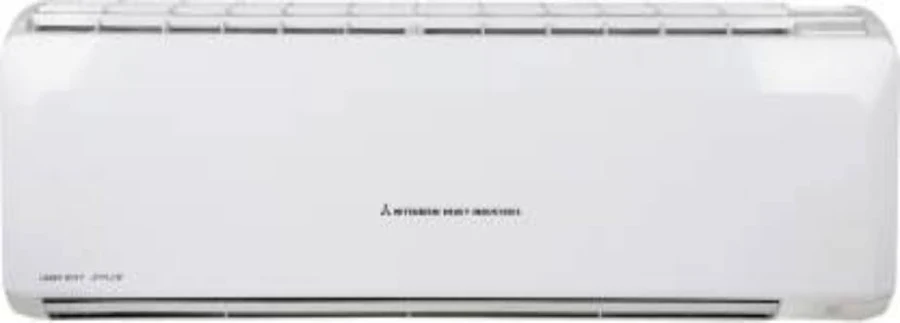
Split AC – Suitable for homes and small offices
Window AC – Compact rooms
Cassette AC – Offices, retail spaces
Tower AC – Large halls
VRF/VRV Systems – Commercial buildings and multi-zone projects
Ducted Systems – Large centralized cooling setups
Choosing the appropriate system ensures uniform airflow and optimized space usage.
3. Energy Efficiency Standards
Energy efficiency directly impacts long-term operational costs. Higher star-rated or inverter-based systems:
Reduce electricity consumption
Offer better temperature control
Lower monthly operating expenses
Improve environmental compliance
Energy-efficient models provide long-term financial benefits despite slightly higher initial investment.
4. Brand Reliability and Warranty
Established brands maintain consistent quality control and spare part availability. Before purchasing, evaluate:
Compressor warranty duration
Spare part coverage
Service network availability
Manufacturer credibility
Reliable brands reduce long-term maintenance risk.
5. Installation Requirements
Improper installation can affect performance even if the product is high quality. Consider:
Installation space
Outdoor unit placement
Electrical load capacity
Drainage system setup
Air circulation path
Professional installation planning ensures optimal airflow and efficiency.
6. Maintenance and Service Support
Regular servicing improves system life and performance. Before purchasing, confirm:
Availability of service technicians
Spare part accessibility
Annual maintenance support
Ease of filter cleaning
Systems that are easy to maintain reduce downtime and service cost.
7. Budget and Total Cost of Ownership
The lowest initial price does not always mean better value. Evaluate:
Installation cost
Electricity consumption
Maintenance cost
Replacement cycle
Warranty coverage
Long-term cost analysis ensures better investment planning.
8. Supplier and Distributor Reliability
Working with a structured HVAC distributor ensures:
Genuine products
Timely availability
Competitive pricing
Organized dispatch process
Technical clarification support
Distributor reliability directly impacts project timelines and supply stability.
Frequently Asked Questions
It ensures correct capacity selection. Incorrect sizing leads to inefficient cooling and increased electricity consumption.
VRF systems and cassette units are commonly preferred due to flexible control and uniform airflow.
Yes. Inverter systems adjust compressor speed based on cooling demand, reducing energy consumption.
Brand reliability ensures better durability, service availability, and spare part support.
Oversized systems may cause frequent on-off cycling, leading to increased wear and energy waste.
General servicing is recommended at least twice a year, especially before peak summer and winter seasons.